For more information, see Section 1. Why am I using Mircera? in the full CMI.
Talk to your doctor if you have any other medical conditions, take any other medicines, or are pregnant or plan to become pregnant or are breastfeeding.
For more information, see Section 2. What should I know before I use Mircera? in the full CMI.
A list of these medicines is in Section 3. What if I am taking other medicines? in the full CMI.
Further injections can be given by a healthcare professional or, after you have been trained, you can inject Mircera under the skin yourself (see instructions "How to self-inject Mircera".)
Mircera can be injected under the skin on the abdomen, arm or thigh or into a vein. Your doctor will decide which is best for you. More instructions can be found in Section 4. How do I use Mircera? in the full CMI.
|
Things you should do
|
Remind any doctor, dentist or pharmacist you visit or tell the surgeon or anaesthetist
if you are going to have surgery that you are using Mircera.
Tell your doctor if you feel unusually tired, weak (lack of energy) or have shortness
of breath as this could mean your Mircera treatment is not effective.
|
|---|---|
|
Things you should not do
|
Do not stop using this medicine or change the dose without first checking with your
doctor.
Do not let yourself run out of Mircera over the weekend or on holidays.
|
|
Driving or using machines
|
Mircera is not expected to affect your ability to drive a car or operate machinery.
However, be careful driving or operating machinery until you know how Mircera affects
you.
|
|
Looking after your medicine
|
Store in the fridge (2°C to 8°C). Do not freeze. Do not shake. Store in outer carton
to protect from light
You may remove an individual dose of Mircera from the fridge and store it at room
temperature (not above 30°C) for one month and on one occasion only.
|
For more information, including what to do if you have any side effects, see Section 6. Are there any side effects? in the full CMI.
Do not use Mircera if:
Check with your doctor if you:
Pregnancy and breastfeeding
Blood and Blood Pressure
When to use Mircera
How to self-inject Mircera
Setting up for an injection
1. Find a clean, comfortable area
2. Gather all the supplies you will need;
3. Remove an individual dose of Mircera from the fridge and allow it to reach room temperature. This should take about 30 minutes. Do not warm up the syringe in any other way.
Preparing the Mircera pre-filled syringe and needle for injection
4. Wash your hands with soap and water. Cleanliness is vital during the injection procedure.
5. Take the pre-filled syringe and needle out of the blister packaging.
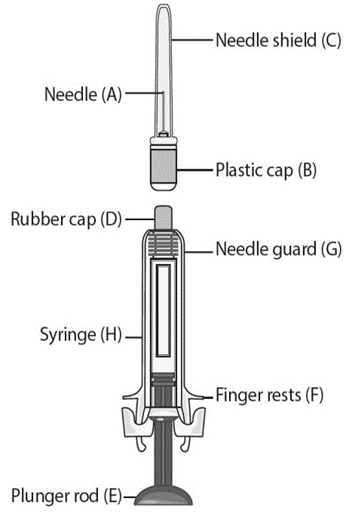
6. Only use if the solution is clear, colourless (slightly yellow in colour is acceptable) and there are no visible particles.
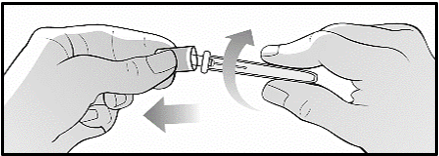
7. Grasp the needle shield (C) firmly in both hands. Remove the plastic cap (B), twist then pull.
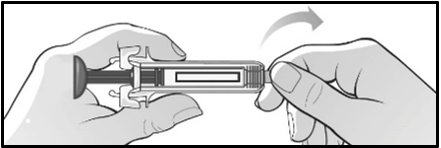
8. Remove the rubber cap (D) from the syringe (bend and pull).
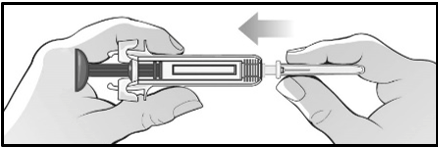
9. Attach the needle with needle shield (A and C) to the syringe (H) by pushing firmly together.
10. Remove the needle shield (C) and prepare for injection.
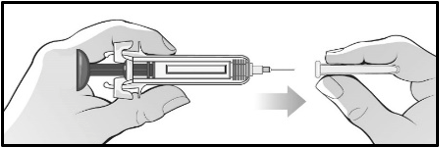
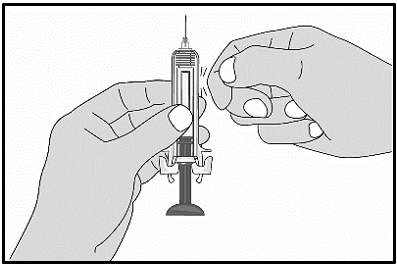
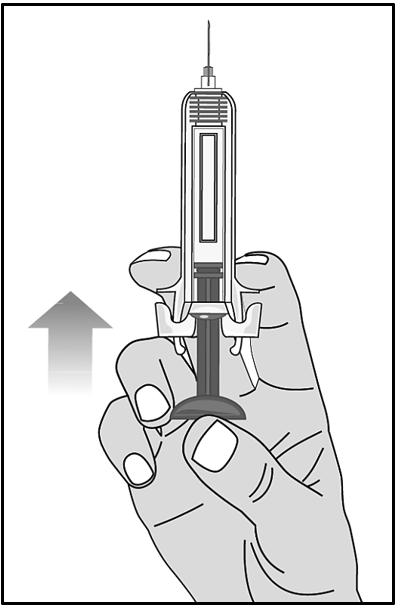
Injecting the solution
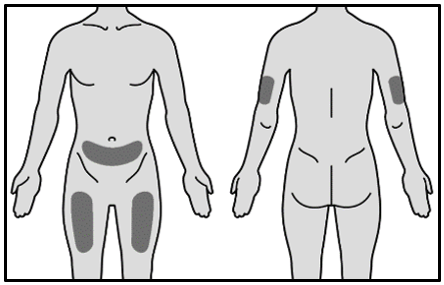
11. Select the injection site on the outer upper arm, abdomen (away from your navel or waistline) or thigh as shown below. The back of the upper arm is not a recommended site for self-injection. Use this injection site only if you inject someone else.
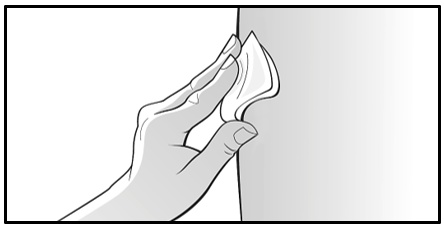
12. Clean the skin where the injection is to be made with a cleansing alcohol swab. Wait for the area to dry.
13. Hold the syringe firmly with one hand and pull off the needle shield (C) with the other hand. Throw away the needle shield in the puncture-resistant or sharps container.
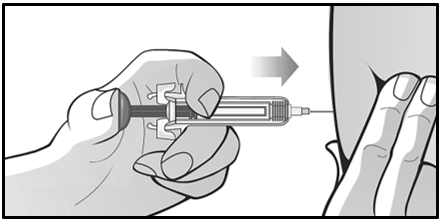
14. With one hand, pinch a fold of loose skin. Insert the needle into the pinched skin, using a quick “dart like” motion, as shown by your healthcare professional.
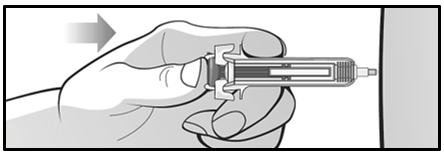
15. Slowly press the plunger rod (E) with your thumb while holding the finger rests (F), until the full dose has been given.
Removing the needle
16. Take the needle out of the skin without releasing the plunger rod (E).
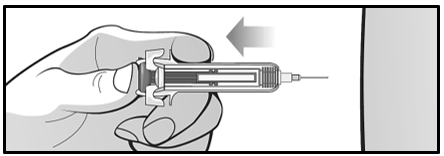
17. Once removed, release the plunger rod (E) allowing the needle to retract into the needle guard (G).
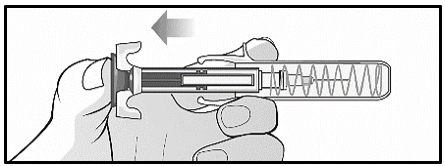
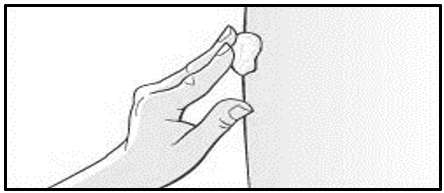
18. Press the injection site with cotton wool or a dry sterile pad for several seconds. Do not massage the injection site.
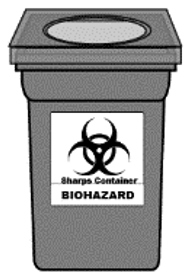
19. Dispose of the syringe with the needle (protected in the needle guard (G)) in a puncture-proof (sharps) container as instructed by your doctor, nurse or pharmacist.
If you forget to use Mircera
If you use too much Mircera
(by calling 13 11 26), or
Things you should do
Call your doctor straight away if you:
Things you should not do
Blood and Blood Pressure monitoring
Driving or using machines
Looking after your medicine
When to discard your medicine
Getting rid of any unwanted medicine
Less serious side effects
|
Less serious side effects
|
What to do
|
|---|---|
|
Stomach/digestion/bowel/bladder related:
Diarrhoea or constipation
Pain with urination or increased need to urinate
Nausea (feeling sick) or vomiting
Stomach pain or indigestion
Nose/throat/breathing related:
Sore throat or nose
Cough or shortness of breath
Skin related:
Itching
Hot flushes
Blood pressure related:
High blood pressure symptoms include headache, dizziness, confusion, ringing in the
ears (tinnitis) and vision problems
Low blood pressure symptoms include dizziness or light headedness
General body related:
Swelling of the ankles, feet or hands
Back or joint pain or muscle spasms
Fever
Difficulty sleeping
Fatigue or unusual weakness, looking pale
|
Speak to your doctor if you have any of these less serious side effects and they worry
you.
This list includes the more common side effects of Mircera. They are usually mild
and short-lived.
|
Serious side effects
|
Serious side effects
|
What to do
|
|---|---|
|
Blood related:
Blood clots in your dialysis access.
Bleeding or bruising more easily.
General symptoms:
Chest pain, feeling of tightness, pressure or heaviness in the chest.
Headache.
Red skin reaction that can include pimples or spots.
The above list includes serious side effects that may require medical attention. Serious
side effects are uncommon.
|
Tell your doctor as soon as possible if you notice any of those listed.
|
|
Blood pressure related:
Worsening of existing high blood pressure. Symptoms may include headache, especially
sudden, stabbing, migraine-like headache, confusion, speech disturbances, fits or
convulsions.
Allergic/skin related:
Allergic reaction. Symptoms may include shortness of breath, wheezing or breathing
difficulties, swelling of the face, lips, tongue or other parts of the body, rash,
itching or hives on the skin.
Blisters on your skin, especially severe blisters and bleeding in the lips, eyes,
mouth, nose and genitals.
Severe skin reactions or rash that may cover your whole body.
Feeling unusually tired, weak (lack energy) or have shortness of breath.
The above list includes very serious side effects that may require urgent medical
attention or hospitalisation. These side effects are rare.
|
Call your doctor straight away, or go straight to the Emergency Department at your
nearest hospital if you notice any of these serious side effects.
|
Reporting side effects
What Mircera contains
|
Active ingredient
(main ingredient)
|
Methoxy polyethylene glycol-epoetin beta
|
|---|---|
|
Other ingredients
(inactive ingredients)
|
Monobasic sodium phosphate monohydrate
Sodium sulfate
Mannitol
Methionine
Poloxamer
Water for injections
|
|
Potential allergens
|
NIL
|