Patanol® 0.1%
Eye Drops Solution
Olopatadine hydrochloride
Consumer Medicine Information (CMI) summary
The full CMI on the next page has more details. If you are worried about using this medicine,
speak to your doctor or pharmacist.
Patanol contains the active ingredient Olopatadine hydrochloride. Patanol is used
to treat seasonal allergic conjunctivitis, an inflammation of conjunctiva (a thin
membrane that lines the inside of the eyelids and covers the white portion of the
eye) due to allergens such as pollens.
For more information, see Section 1. Why am I using Patanol Eye Drops? in the full CMI.
Do not use if you have ever had an allergic reaction to Patanol or any of the ingredients
listed at the end of the CMI.
Talk to your doctor if you have any other medical conditions, take any other medicines,
or are pregnant or plan to become pregnant or are breastfeeding.
For more information, see Section 2. What should I know before I use Patanol Eye Drops? in the full CMI.
Some medicines may interfere with Patanol and affect how it works.
A list of these medicines is in Section 3. What if I am taking other medicines? in the full CMI.
Your doctor will advise you on the appropriate dose.
Do not use Patanol Eye Drops longer than your doctor tells you.
More instructions can be found in Section 4. How do I use Patanol Eye Drops? in the full CMI.
|
Things you should do
|
Remind any doctor, dentist, pharmacist or specialist you visit that you are using
Patanol.
Tell your doctor immediately if you develop any signs of allergic reaction.
Remove soft contact lenses before using Patanol.
|
|---|---|
|
Things you should not do
|
Do not stop using this medicine suddenly.
Do not give Patanol to anyone else, even if they seem to have the same condition as
you.
Do not use Patanol in children.
|
|
Driving or using machines
|
Patanol may cause temporary blurred vision or other visual problems in some people.
If blurred vision occurs, wait until the vision clears before driving or using machinery.
|
|
Looking after your medicine
|
Store below 25 °C
Do not freeze.
|
For more information, see Section 5. What should I know while using Patanol Eye Drops? in the full CMI.
Common side effects include headache, eye pain, dry eye(s), itchy eye(s), blurred
vision, feeling that something is in your eye(s), redness of the eye(s)
For more information, including what to do if you have any side effects, see Section
6. Are there any side effects? in the full CMI.
Patanol® 0.1%
Eye Drops Solution
Active ingredient:
Olopatadine hydrochloride
Consumer Medicine Information (CMI)
This leaflet provides important information about using Patanol. You should also speak to your doctor or pharmacist if you would like further information
or if you have any concerns or questions about using Patanol.
Where to find information in this leaflet:
Patanol contains the active ingredient Olopatadine hydrochloride. Patanol belongs to a group of medicines called Antihistamines.
Patanol is used to treat seasonal allergic conjunctivitis, an inflammation of conjunctiva
(a thin membrane that lines the inside of the eyelids and covers the white portion
of the eye) due to allergens such as pollens. It causes allergic symptoms such as
redness of eyes, itching, swollen and watery eyes. Patanol helps to reduce the symptoms
of allergy.
Do not use Patanol Eye Drops:
If you are allergic to Olopatadine hydrochloride, or any of the ingredients listed
at the end of this leaflet. Always check the ingredients to make sure you can use
this medicine. Symptoms of allergic reaction may include shortness of breath, difficulty
breathing, swelling of the face, lips, tongue or other parts of the body, rash, hives.
In children below 3 years of age.
If the safety seal around the closure and neck area is broken.
If the bottle/packaging shows signs of tampering
Check with your doctor if you:
have any medical condition
take any medicines for any other condition
During treatment, you may be at risk of developing certain side effects. It is important
you understand these risks and how to monitor for them. See additional information
under Section 6. Are there any side effects?
Pregnancy and breastfeeding
Check with your doctor if you are pregnant or intend to become pregnant.
Your doctor will advise you regarding the possible risks and benefits of using Patanol
during Pregnancy.
Talk to your doctor if you are breastfeeding or intend to breastfeed.
Patanol may affect breast milk production. Your doctor will advise you regarding the
possible risks and benefits of using Patanol during breastfeeding.
Tell your doctor or pharmacist if you are taking any other medicines, including any
medicines, vitamins or supplements that you buy without a prescription from your pharmacy,
supermarket or health food shop.
Some medicines may interfere with Patanol and affect how it works. Your doctor or
pharmacist will be able to tell you what to do when using Patanol Eye Drops with other
medicines.
Check with your doctor or pharmacist if you are not sure about what medicines, vitamins
or supplements you are taking and if these affect Patanol.
How much to use
Your doctor will advise you on the appropriate dose.
Follow the instructions provided and use Patanol until your doctor tells you to stop.
Use one to two drops of Patanol in the affected eye(s) twice daily for up to 14 weeks.
Do not use Patanol Eye Drops longer than your doctor tells you.
If you do not understand your dose, contact your doctor or Pharmacist
When to use Patanol Eye Drops
Patanol should be used every day, at about the same time(s) each day, unless your
doctor tells you otherwise.
How to use Patanol Eye Drops
Sitting or lying down position might make the process simpler.
Remove contact lenses if you are wearing them before using the eye drops.
Your doctor will advise you on the appropriate dose for Patanol.
Shake the bottle well prior to use.
Follow the steps below to use Patanol Eye Drops:
Wash your hands thoroughly with soap and water.
Before using a bottle for the first time, break the safety seal around the neck area
and throw the loose plastic ring away.
Remove the cap from the bottle.
Mix the contents of the bottle by inverting 5 to 10 times.
Hold the bottle upside down in one hand between your thumb and middle finger (refer
diagram 1).
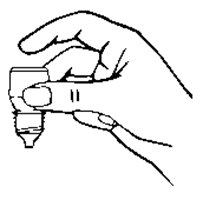
Diagram 1
Tilt your head back, gently pull down the lower eyelid of your eye to form a pouch/pocket.
Place the tip of the bottle close to your eye. Do not touch the tip to your eye as
this may cause injury to your eye.
Do not touch the dropper tip to your eyelid or surrounding areas or any surface to
avoid contamination of the dropper tip and solution.
Release one drop into the pouch/pocket formed between your eye and eyelid by gently
tapping or pressing the base of the bottle with your forefinger (refer diagrams 2
and 3).
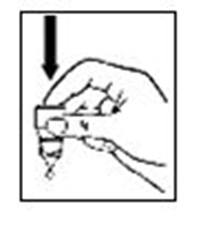
Diagram 2
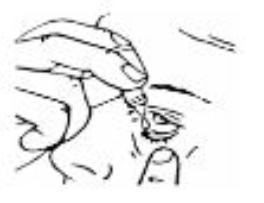
Diagram 3
Gently close your eye(s). Do not blink or rub your eye(s).
When your eye is closed, place your index finger against the inside corner of your
eye and press against your nose for about two minutes. This will help to prevent the
medicine from draining through the tear duct to the nose and throat, from where it
can be absorbed into other parts of your body and may result in less side effects.
This will also help to prevent the unpleasant taste sensation that some people experience
while using Patanol Eye Drops.
If necessary, repeat the above steps for the other eye.
You may feel initial discomfort or a slight burning sensation in the eye shortly after
using Patanol. If it continues, or is uncomfortable, contact your doctor or pharmacist.
If you want to use any other eye drops wait at least 5 minutes after using Patanol.
It is normal for a small amount of eye drops to spill onto your cheek since your eyelids
can only hold less than one drop at a time. Wipe away any spillage with a tissue.
Replace the cap on the bottle and close it tightly.
Always keep the bottle tightly closed when not in use.
Wash your hands again with soap and water to remove any residue.
Wait for 15 minutes before putting your contact lenses in.
Discard Patanol Eye Drops 28 days after opening it.
If you forget to use Patanol Eye Drops
Patanol should be used regularly at the same time each day. If you miss your dose
at the usual time, put the drops that you missed in the eye(s) as soon as you remember
and then go back to using them as recommended by your doctor.
If it is almost time for your next dose, skip the dose you missed and take your next
dose when you are meant to.
Do not take a double dose to make up for the dose you missed.
If you use too much Patanol Eye Drops
If you think that you have used too much Patanol, you may need urgent medical attention.
You should immediately:
phone the Poisons Information Centre
(by calling 13 11 26), or
(by calling 13 11 26), or
contact your doctor, or
go to the Emergency Department at your nearest hospital.
You should do this even if there are no signs of discomfort or poisoning.
If you accidentally use several Patanol Eye Drops in your eyes, immediately wash your
eyes with warm tap water.
Things you should do
Remove soft contact lenses before using Patanol. Patanol contains the preservative
benzalkonium chloride which may cause eye irritation and can be deposited in or discolour
soft contact lenses.
Put your lenses back in 15 minutes after using Patanol.
Patanol Eye Drops are for eye use only.
Close the bottle of Patanol Eye Drops tightly when not in use.
Call your doctor straight away if you:
develop any signs of allergic reaction.
become pregnant, plan to become pregnant or if you are breast feeding while using
Patanol
take any medicines for any condition
Remind any doctor, dentist, pharmacist or specialist you visit that you are using
Patanol.
Things you should not do
Do not stop using this medicine suddenly.
Do not touch the dropper tip to any surface, eyelids or surrounding areas.
Do not give Patanol to anyone else, even if they seem to have the same condition as
you.
Driving or using machines
Be careful before you drive or use any machines or tools until you know how Patanol
affects you.
Patanol may cause temporary blurred vision or other visual problems in some people.
If blurred vision occurs, wait until your vision clears before driving or using machinery.
Looking after your medicine
Store below 25°C.
Follow the instructions in the carton on how to take care of your medicine properly.
Store it in a cool dry place away from moisture, heat or sunlight; for example, do
not store it:
in the bathroom or near a sink, or
in the car or on window sills.
Keep it where young children cannot reach it.
Getting rid of any unwanted medicine
If you no longer need to use this medicine or it is out of date, take it to any pharmacy
for safe disposal.
Do not use this medicine after the expiry date.
All medicines can have side effects. If you do experience any side effects, most of
them are minor and temporary. However, some side effects may need medical attention.
See the information below and, if you need to, ask your doctor or pharmacist if you
have any further questions about side effects.
Less serious side effects
|
Less serious side effects
|
What to do
|
|---|---|
|
Eye problems:
Blurred vision
Burning or stinging sensation in eye(s)
Cold syndrome (feet or hands turning white or blue when it is cold)
Dry eye(s)
Redness of the eye(s)
Feeling that something is in your eye(s)
Eyelid swelling
Itching of eye(s)
Eye pain
Eye discharge
Excessive secretion of tears from the eye(s)
Uncomfortable feeling in eye(s)
Other problems
Headache
Unusual weakness
Feeling sick
Discomfort and dryness in the throat, cough, difficulty swallowing or pain when swallowing
or talking.
Sneezing, stuffy or runny nose, headache.
Fever, headache, cough, ear pain, tiredness.
Dry nose
Dry mouth
Dizziness
|
Speak to your doctor if you have any of these less serious side effects and they worry
you.
|
Serious side effects
|
Serious side effects
|
What to do
|
|---|---|
|
Eye problems:
Eye pain, redness, eye sensitivity to light, blurred vision.
Other problems:
Taste disturbance or loss of taste
|
Call your doctor straight away, or go straight to the Emergency Department at your
nearest hospital if you notice any of these serious side effects.
|
Tell your doctor or pharmacist if you notice anything else that may be making you
feel unwell.
Other side effects not listed here may occur in some people.
Reporting side effects
After you have received medical advice for any side effects you experience, you can
report side effects to the Therapeutic Goods Administration online at www.tga.gov.au/reporting-problems . By reporting side effects, you can help provide more information on the safety of
this medicine.
Always make sure you speak to your doctor or pharmacist before you decide to stop
taking any of your medicines.
This medicine is only available with a doctor's prescription.
What Patanol Eye Drops contains
|
Active ingredient
(main ingredient)
|
olopatadine hydrochloride (1.11 mg/mL) which is equivalent to olopatadine (1.0 mg/mL)
|
|---|---|
|
Other ingredients
(inactive ingredients)
|
Sodium chloride, dibasic sodium phosphate dodecahydrate, sodium hydroxide / hydrochloric
acid (for pH adjustment), benzalkonium chloride (0.1 mg/mL as preservative) and purified
water.
|
|
Potential allergens
|
NA
|
Do not take this medicine if you are allergic to any of these ingredients.
What Patanol Eye Drops looks like
Patanol is a colourless to pale yellow and essentially particle free sterile isotonic
solution. It is available in LPDE bottle (dispenser). Pack size: 1 x 5 mL.
Who distributes Patanol Eye Drops
This product is supplied in Australia by:
Novartis Pharmaceuticals Australia Pty Limited
ABN 18 004 244 160
54 Waterloo Road
Macquarie Park NSW 2113
Telephone: 1-800-671-203.
Web site: www.novartis.com.au
Australian registration number
AUST R 82000.
© Novartis Pharmaceuticals Australia Pty Limited
® Registered Trademark
This leaflet was prepared in October 2025.
Internal document code
pat161023c_V2 based on PI pat161023i