RISPERDAL®
Consumer Medicine Information (CMI) summary
The full CMI on the next page has more details. If you are worried about using this medicine,
speak to your doctor or pharmacist.
RISPERDAL contains the active ingredient Risperidone. RISPERDAL belongs to a group
of medicines called antipsychotic agents which improve the symptoms of certain types
of mental illness.
For more information, see Section 1. Why am I using RISPERDAL? in the full CMI.
Do not use if you have ever had an allergic reaction to risperidone or any of the
ingredients listed at the end of the CMI.
Talk to your doctor if you have any other medical conditions, have an eye surgery
planned, take any other medicines, or are pregnant or plan to become pregnant or are
breastfeeding.
For more information, see Section 2. What should I know before I use RISPERDAL? in the full CMI.
Some medicines may interfere with RISPERDAL and affect how it works.
A list of these medicines is in Section 3. What if I am taking other medicines? in the full CMI.
RISPERDAL is available as oral tablets and a solution for oral use. Your doctor will
decide a dose suitable for you based on your condition and response. Always follow
your doctor's instructions carefully and seek your doctor's advice before changing
or stopping treatment. Never take more tablets or solution than your doctor tells
you to take.
RISPERDAL oral solution comes with a pipette. Use only the pipette delivered with
this medicine for measuring the dose prescribed by your doctor.
More instructions can be found in Section 4. How do I use RISPERDAL? in the full CMI.
|
Things you should do
|
Remind any doctors, dentists, and pharmacists you visit that you are using RISPERDAL.
Tell your doctor immediately if you notice any involuntary movements of the tongue,
mouth, cheeks or jaw which may progress to the arms and legs.
Be careful during strenuous exercise or exposure to extreme heat. Try to drink plenty
of water.
|
|---|---|
|
Things you should not do
|
Do not use RISPERDAL if the appearance of the tablets or the oral solution has changed
or does not look right.
|
|
Driving or using machines
|
Be careful before you drive or use any machines or tools until you know how RISPERDAL
affects you.
RISPERDAL may cause dizziness or light-headedness in some people, especially after
the first dose
|
|
Drinking alcohol
|
Do not drink alcohol. RISPERDAL can increase the effects of alcohol.
|
|
Looking after your medicine
|
RISPERDAL 0.5 mg tablets: Store below 30°C. Protect from light. RISPERDAL 1mg, 2mg, 3mg, 4 mg tablets: Store below 25°C. Protect from light.
Store RISPERDAL oral solution below 30°C. Do not refrigerate.
|
For more information, see Section 5. What should I know while using RISPERDAL? in the full CMI.
Like all medicines, RISPERDAL can cause side effects. If you do experience any side
effects, most of them are minor and temporary. However, some side effects may need
medical attention and some may require urgent care.
For more information on common side effects and other serious side effects, including
what to do if you have any side effects, see Section 6. Are there any side effects? in the full CMI.
RISPERDAL®
Active ingredient(s):
Risperidone
Consumer Medicine Information (CMI)
This leaflet provides important information about using RISPERDAL. You should also speak to your doctor or pharmacist if you would like further information
or if you have any concerns or questions about using RISPERDAL.
Where to find information in this leaflet:
RISPERDAL contains the active ingredient risperidone. RISPERDAL belongs to a group of medicines called antipsychotic agents which improve
the symptoms of certain types of mental illness.
RISPERDAL is used for the:
treatment of sudden (acute) and long-term (chronic) schizophrenia and other types
of related psychoses. These are disorders related to thought, feeling and/or action,
treatment of mania associated with bipolar disorder. This condition is characterised by symptoms such as elevated, expansive or irritable
mood, inflated self-esteem, decreased need for sleep, pressured speech, racing thoughts,
distractibility or poor judgement including disruptive or aggressive behaviours,
treatment of behavioural problems in patients with a decline in mental ability (dementia)
caused by Alzheimer's disease. These problems include: aggression through words or action, morbid suspiciousness,
agitation or wandering,
treatment of conduct and other disruptive behaviours such as aggression, impulsiveness and self-injury in children (over 5 years old),
adolescents and adults who are intellectually disabled,
treatment of behavioural symptoms of autism in children and adolescent.
RISPERDAL helps to correct a chemical imbalance in the brain associated with these
conditions.
This medicine has been approved for the uses mentioned above. However, your doctor
may prescribe it for another use. It is only available with a doctor's prescription.
If you want more information, ask your doctor.
RISPERDAL is not addictive.
Do not use RISPERDAL if:
you are allergic to Risperidone, or any of the ingredients listed at the end of this
leaflet.
Always check the ingredients to make sure you can use this medicine.
Check with your doctor if you:
you have or have ever had any medical conditions, especially the following:
heart problems, particularly irregular heart rhythm, abnormalities in electrical activity
of the heart, high or low blood pressure, or you've had a heart attack or stroke in
the past or heart failure.
unusual excessive sweating or diarrhoea, dehydration or problems with your body temperature
regulation
kidney or liver problems
you are prone to dizziness when standing up from lying or sitting position
Parkinson's disease (a progressive movement and thinking disorder that tends to affect
older people)
dementia or Lewy body dementia - older people suffering dementia may be at increased
risk of stroke or death with RISPERDAL
sugar diabetes - unusual thirst, tiredness, blurred vision, upset stomach or need
to urinate are common signs of high blood sugars
epilepsy, seizures or fits
continuous and/or painful erections (called 'priapism')
involuntary movements or unusual restlessness or difficulty sitting still
suicidal thoughts or past suicide attempts
low blood potassium levels (hypokalaemia)
breast cancer
cancer of the pituitary gland
Tardive dyskinesia (a reaction to some medicines with uncontrollable twitching or
jerking movements of the tongue, face, mouth, jaw, arms and legs)
Neuroleptic Malignant Syndrome (a serious reaction to some medicines that causes sudden
increase in body temperature, very fast heartbeat, extremely high or low blood pressure
and severe muscle stiffness or fits).
blood clots - tell your doctor if you or someone else in your family has a history
of blood clots. Blood clots in the lungs and legs can occur with RISPERDAL. Blood
clots in the lungs can result in death.
low white blood cell count - if you have low numbers of some white blood cells, your
risk of contracting an infection or developing a fever is increased with RISPERDAL.
you have any eye surgery planned.
During an operation on the eye for cloudiness of the lens (cataract), the pupil (the
black circle in the middle of your eye) may not increase in size as needed. Also,
the iris (the colored part of the eye) may become floppy during surgery and that may
lead to eye damage. If you are planning to have an operation on your eye, make sure
you tell your eye doctor that you are taking this medicine.
Your doctor will need to assess whether you are at risk of a surgical complication
(called 'Intraoperative Floppy Iris Syndrome). You may be recommended to stop your
RISPERDAL temporarily prior to your eye surgery.
you will be in a hot environment or do a lot of vigorous exercise.
RISPERDAL may make you sweat less, causing your body to overheat.
take any medicines for any other condition.
During treatment, you may be at risk of developing certain side effects. It is important
you understand these risks and how to monitor for them. See additional information
under Section 6. Are there any side effects?
Pregnancy and breastfeeding
Check with your doctor if you are pregnant or intend to become pregnant.
Your doctor will advise you whether you should take RISPERDAL. Shaking, muscle stiffness
and/or weakness, sleepiness, agitation, breathing problems, or difficulty in feeding
may occur in newborns, if a mother used RISPERDAL in the last trimester of her pregnancy.
Talk to your doctor if you are breastfeeding or intend to breastfeed.
As RISPERDAL is excreted in breast milk, it is recommended that you do not breast-feed
while taking the medicine.
Children and adolescents
RISPERDAL cannot be recommended for use in children with schizophrenia under 15 years
at the present time as there is little experience with the product in this group.
RISPERDAL cannot be recommended for use in children with disruptive behaviour disorders
under 5 years at the present time as there is little experience with the product in
this group.
Using it for the first time
At the start of treatment, you may have a fall in blood pressure making you feel dizzy
on standing up, or your heart may beat faster. These should go away after a few days.
Tell your doctor if they continue or worry you.
Tell your doctor or pharmacist if you are taking any other medicines, including any
medicines, vitamins or supplements that you buy without a prescription from your pharmacy,
supermarket or health food shop.
Some medicines may interfere with RISPERDAL and affect how it works. In particular,
RISPERDAL can enhance the effects of alcohol and medicines that reduce the ability
to react (e.g., sleeping tablets, "tranquillisers", strong painkillers, certain antihistamines,
certain antidepressants).
So don’t drink alcohol and only take such medicines if your doctor prescribes them.
Some medicines for treating Parkinson's disease (dopamine agonists, e.g. levodopa)
may counteract RISPERDAL.
medicines that increase the activity of the central nervous system (psychostimulants
such as methylphenidate).
other medicines to treat mental illness or psychotic conditions
if you are taking medicines for high blood pressure, consult your doctor, as taking
these medicines together with RISPERDAL may cause the blood pressure to drop too low.
RISPERDAL should be used with caution when taking medications that may change the
electrical activity of the heart, such as but not restricted to: medicines for malaria,
heart rhythm disorders, allergies, other antipsychotics, antidepressants, water tablets
or other medicines affecting body salts (sodium, potassium, magnesium).
Taking RISPERDAL with furosemide, a medicine used to treat conditions such as heart
failure and high blood pressure. There is an increased risk of side effects or death
in older people if furosemide is also taken with RISPERDAL.
medicines to treat epilepsy.
Some medicines, when they are taken together with RISPERDAL, may increase or decrease
the level of RISPERDAL in your blood. Therefore, tell your doctor if you start and/or
stop taking any of the below medicines, since your doctor may need to change the dose.
Medicines that may
increase
the level of RISPERDAL in your blood include:
medicines to treat depression and various anxiety disorders, such as fluoxetine and
paroxetine;
medicines to treat fungal infections such as itraconazole and ketoconazole;
certain medicines used in the treatment of HIV/AIDS, such as ritonavir;
verapamil, a medicine used to treat high blood pressure and/or abnormal heart rhythm;
sertraline and fluvoxamine, medicines used to treat depression and other psychiatric
disorders.
Medicines that may
reduce
the level of RISPERDAL in your blood include:
carbamazepine, a medicine mainly used for epilepsy or trigeminal neuralgia (severe
pain attacks in the face);
rifampicin, a medicine for treating some infections.
Check with your doctor or pharmacist if you are not sure about what medicines, vitamins
or supplements you are taking and if these affect RISPERDAL.
RISPERDAL comes in the form of oral tablets and a solution, both of which are to be
taken only by mouth.
How much to take
It is very important that the correct amount of RISPERDAL should be taken, but this
will vary from person to person. That is why your doctor will adjust the amount until
the desired effect is obtained. So follow your doctor's instructions carefully and
do not change or stop the required dosage without consulting your doctor first.
Important note: never take more tablets or solution than your doctor tells you to
take.
Each millilitre (mL) of RISPERDAL oral solution contains 1 milligram (mg) of risperidone.
For example, a 0.25 mg dose is 0.25 mL and a 0.5 mg dose is 0.5 mL. The dose in mg
and the equivalent oral solution dosing in mL are provided below.
For Schizophrenia and Related Psychoses
The usual starting dose of RISPERDAL is 1 mg (or 1 mL of solution) twice a day. This
will be gradually increased by your doctor to suit your needs.
From then on, the dose can be taken once a day or twice a day according to your doctor's
instructions.
For Elderly Patients with Schizophrenia or Related Psychoses
For older patients a starting dose of 0.5 mg (or 0.5 mL of solution) twice a day is
usual. This may be gradually increased by your doctor to suit your needs.
Patients with impaired kidney and liver function.
If you have kidney or liver disease a starting dose of 0.5 mg (or 0.5 mL of solution)
twice a day is usual. This may be gradually increased by your doctor to suit your
needs.
For mania
The recommended starting dose is 2 mg (or 2 mL of solution) once a day. This may be
gradually increased by your doctor to suit your needs.
Your doctor may decide you should take another medicine called a mood stabiliser as
well as RISPERDAL.
For Behavioural Problems in People with Dementia
The usual starting dose is 0.25 mg (or 0.25 mL of solution) twice daily. This may
be gradually increased by your doctor to suit your needs.
From then on, the dose can be taken once a day or twice a day according to your doctor's
instructions.
For Disruptive Behaviour Disorders in Adults and Children
For people who weigh 50 kg or more, the usual starting dose is 0.5 mg (or 0.5 mL of
solution) once a day. This may be gradually increased by your doctor to suit your
needs.
For people who weigh less than 50 kg, the usual starting dose is 0.25 mg (or 0.25
mL of solution) once a day. This may be gradually increased by your doctor to suit
your needs.
Your doctor will advise you on how much RISPERDAL you need.
For Behavioural Disorders Associated with Autism in Children and Adolescents
For people weighing less than 20kg the usual starting dose is 0.25mg (or 0.25 mL of
solution). This may be gradually increased by your doctor to suit your needs.
For people weighing 20kg or more the usual starting dose is 0.5mg (or 0.5 mL of solution).
This may be gradually increased by your doctor to suit your needs.
Your doctor will advise you on how much RISPERDAL you need.
When to take RISPERDAL
RISPERDAL may be taken as a single dose, once a day or it may be taken in divided
doses twice a day (in the morning and in the evening).
You may take RISPERDAL either with or between meals.
How to take it
RISPERDAL Tablets: Swallow RISPERDAL tablets with water or other liquid.
RISPERDAL oral solution: Mix RISPERDAL oral solution with a non-alcoholic drink. Mineral water, orange juice,
coffee and milk are suitable. Do not use tea.
Directions for opening the bottle and using the pipette for RISPERDAL Oral Solution
Always take this medicine exactly as your doctor has told you. Check with your doctor
if you are not sure.
The solution comes with a syringe (pipette). Use only the syringe (pipette) delivered
with this medicine for measuring the dose prescribed by your doctor.
Figure 1:
The bottle comes with a child-resistant cap, and should be opened as follows:
To open, push the screw cap down while turning it anti-clockwise.
Remove the unscrewed cap.
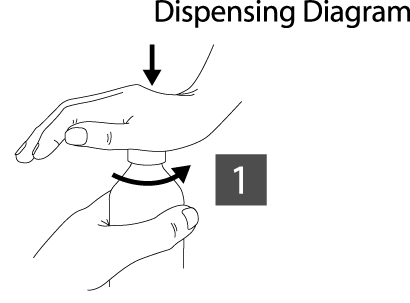
Figure 2:
Insert the pipette into the bottle.
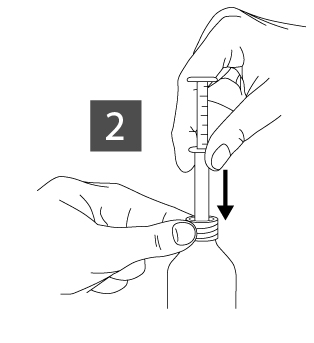
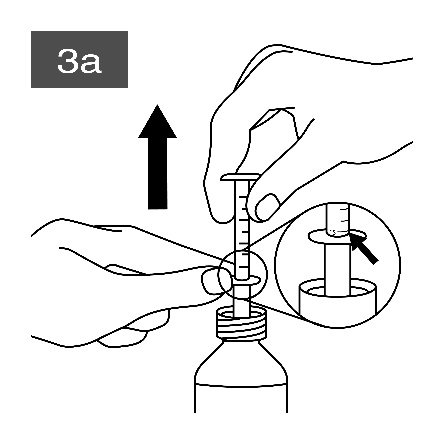
Figure 3:
While holding the bottom ring (Figure 3a), pull the top ring up to the mark that corresponds
to the number of millilitres or milligrams you need to give (See examples Figure 3b).
Measure the exact dose of medicine you need. Pay attention when measuring a small
dose, for example for 0.25 mg, measure 0.25 mL (a quarter millilitre); for 0.5 mg,
measure 0.5 mL (half a millilitre).
1 mL of RISPERDAL oral solution contains 1 mg risperidone. The measured volume is
printed every 0.25 mL / 0.25 mg on the plunger.
Figure 3b shows examples of prescribed doses and corresponding marks on the plunger.
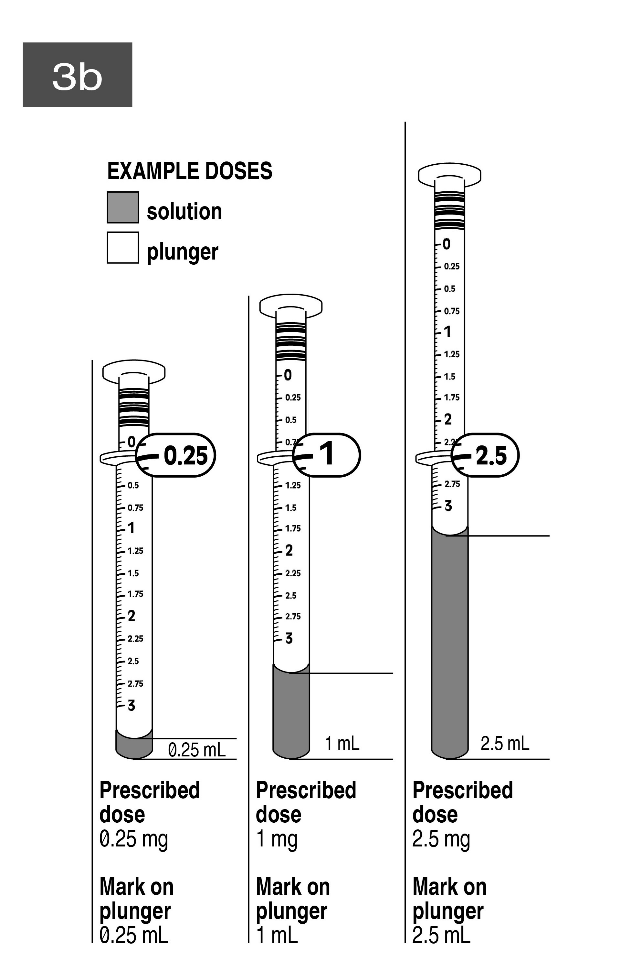
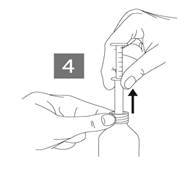
Figure 4:
Holding the bottom ring, remove the entire pipette from the bottle.
Empty the contents of the pipette into a non-alcoholic drink by sliding the upper
ring down. Mineral water, orange juice, coffee and milk are suitable. Do not use tea.
Close the bottle. Rinse the pipette with some cold water after use, let it air dry
and store it in its case. Use of detergents or extensive rubbing with a cloth may
increase the risk of fading or disappearing print.
How long to take it
Continue taking the tablets or solution for as long as your doctor tells you.
RISPERDAL helps control your condition but does not cure it. Therefore, you must take
RISPERDAL every day.
Do not stop taking it unless your doctor tells you to - even if you feel better.
If you forget to use RISPERDAL
RISPERDAL should be used regularly at the same time each day. If you miss your dose
at the usual time, take the missed dose as soon as you remember instead of your next
dose. Then go back to taking it as you would normally.
Do not take a double dose to make up for the one you missed.
If you forget to take RISPERDAL for a number of days or more, tell your doctor before
starting your medicine again.
If you use too much RISPERDAL
If you think that you have used too much RISPERDAL, you may need urgent medical attention.
You should immediately:
phone the Poisons Information Centre
(in Australia telephone 13 11 26 and in New Zealand telephone 0800 POISON or 0800 764 766), or
(in Australia telephone 13 11 26 and in New Zealand telephone 0800 POISON or 0800 764 766), or
contact your doctor, or
go to the Emergency Department at your nearest hospital.
Signs of overdose may include drowsiness, sleepiness, excessive trembling, excessive
muscle stiffness, increased heart rate, very low blood pressure causing fainting or
unconsciousness.
You should do this even if there are no signs of discomfort or poisoning.
Things you should do
Follow your doctor's instructions carefully and seek your doctor's advice before changing
or stopping treatment.
Be careful during strenuous exercise or exposure to extreme heat. Try to drink plenty
of water.
Avoid excessive eating. There is a possibility of weight gain when taking RISPERDAL. Your doctor may monitor
your body weight or recommend strategies to assist with weight management.
If you are pre-menopausal, tell your doctor if you do not have a period for more than
six months while using RISPERDAL, even if you are not pregnant.
Call your doctor straight away if you:
notice any involuntary movements of the tongue, mouth, cheeks or jaw which may progress
to the arms and legs.
These may be symptoms of a condition called Tardive Dyskinesia, which can develop
in people taking antipsychotic medicines, including RISPERDAL. This condition is more
likely to occur during longer term treatment and in older women. In very rare cases,
these symptoms may be permanent. However, if detected early, these symptoms are usually
reversible.
Remind any doctor, dentist or pharmacist you visit that you are using RISPERDAL.
Things you should not do
Do not use RISPERDAL if the appearance of the tablets or the oral solution has changed
or does not look right.
Driving or using machines
Be careful before you drive or use any machines or tools until you know how RISPERDAL
affects you.
RISPERDAL may cause dizziness or light-headedness in some people, especially after
the first dose. Make sure you know how you react to RISPERDAL before you drive a car,
operate machinery, or do anything else that could be dangerous if you are dizzy.
If the medicine makes you feel light-headed, dizzy or faint, be careful when getting
up from a sitting or lying position. Getting up slowly may help.
Looking after your medicine
RISPERDAL 0.5 mg tablets: Store below 30°C. Protect from light.
RISPERDAL 1mg, 2mg, 3mg, 4 mg tablets: Store below 25°C. Protect from light.
RISPERDAL oral solution: Store below 30°C. Do not refrigerate.
Follow the instructions in the carton on how to take care of your medicine properly.
Store it in a cool dry place away from moisture, heat or sunlight; for example, do
not store it:
in the bathroom or near a sink, or
in the car or on window sills.
Heat and dampness can destroy some medicines.
Keep it where young children cannot reach it.
Getting rid of any unwanted medicine
If you no longer need to use this medicine or it is out of date, take it to any pharmacy
for safe disposal.
Do not use this medicine after the expiry date.
All medicines can have side effects. If you do experience any side effects, most of
them are minor and temporary. However, some side effects may need medical attention.
See the information below and, if you need to, ask your doctor or pharmacist if you
have any further questions about side effects.
Less serious side effects
|
Less serious side effects
|
What to do
|
|---|---|
|
difficulty thinking, working or carrying out your usual daily activities because of:
headache
trembling, muscle weakness, unsteadiness on your feet, lack of coordination or slow,
shuffling walk (symptoms of Parkinsonism).
lack of energy, drowsiness or excessive sleeping during the day, sleeplessness or
difficulty in concentrating
difficulty speaking
blurred vision
fainting
dizziness
any problems with confusion or unsteadiness
pains in parts of your body, e.g. in the neck, back, ear, hands or feet
falling
muscle, joint, nerve or movement changes such as:
shaking or trembling
fatigue or weakness
muscle stiffness
restlessness in the legs or difficulty sitting still
uncontrolled muscle spasms, twitching, jerky or writhing movements
muscle aches or pain
joint swelling or pain
walking abnormally or with difficulty
abnormal posture, such as rigid body movements and persistent abnormal positions of
the body
behavioural changes such as:
irritability or agitation
unusual anxiety or nervousness
other changes such as:
cold or "flu-like" symptoms e.g. cough, blocked or runny nose, sneezing, sore throat
feeling of tension or fullness in the nose, cheeks and behind your eyes, sometimes
with a throbbing ache, fever, stuffy nose and loss of the sense of smell (signs of
sinusitis)
fever, chills, shortness of breath, cough, phlegm and occasionally blood (signs of
pneumonia)
nosebleeds
tiredness, headaches, being short of breath when exercising, dizziness and looking
pale (signs of decreased red blood cells)
discharge with itching of the eyes and crusty eyelids
unexplained weight gain
unexplained increase or decrease in appetite
indigestion, stomach discomfort or pain, diarrhoea or constipation
nausea or vomiting
dry mouth or excessive thirst
drooling
difficulty swallowing
acne
dry skin
dandruff
rash, red skin or itchy skin
thickening of the skin resulting in warts, corns, calluses
skin infection
swelling of any part of your body, e.g. hands, ankles or feet
inability to or feeling burning pain when passing urine
some loss of bladder control
bedwetting
frequent daytime urination in children
sexual function disturbances - problems with ejaculation
breast abnormalities - breast discomfort or swelling or unusual secretion of breast
milk
missed or irregular menstrual periods
dizziness on standing up, especially when getting up from a sitting or lying down
position
shortness of breath
chest pain or discomfort
an increase of CPK (creatine phosphokinase) in your blood, an enzyme which is sometimes
released with muscle breakdown. These can only be detected by blood tests that your
doctor may ask to be done.
|
Tell your doctor if you notice any of these less serious side effects and they worry
you.
|
Serious side effects
|
Serious side effects
|
What to do
|
|---|---|
|
Hypersensitivity Reactions
severe or life-threatening rash with blisters and peeling skin that may start in and
around the mouth, nose, eyes, and genitals and spread to other areas of the body (Stevens-Johnson
syndrome or toxic epidermal necrolysis)
rash, itching or hives on the skin; shortness of breath, wheezing or difficulty breathing;
swelling of the face, lips, tongue or other parts of the body
If you have them, you may have a serious allergic reaction to RISPERDAL.
Signs of heart or blood pressure problems including:
fainting, blurry vision, light-headedness or dizziness particularly on standing that
persists despite sitting or lying down again
very fast heart rate, slowed heart rate, heart rhythm irregularities
Signs of lung problems including:
sudden shortness of breath, trouble breathing, wheezing or gasping when you breathe,
light-headedness or dizziness
Signs of high blood sugar or diabetes such as:
unusual thirst, tiredness, upset stomach or need to urinate more often than usual
Body temperature changes such as:
fever
unexplained high body temperature, excessive sweating or rapid breathing
severe muscle stiffness or fits
Tardive dyskinesia (uncontrollable twitching or jerking movements of the tongue, face, mouth, jaw, arms
and legs)
sudden weakness or numbness of the face, arms, or legs, especially on one side, or
instances of slurred speech (these are called mini-strokes).
|
Tell your doctor immediately, or go to Accident and Emergency at your nearest hospital
if you notice any of these serious side effects.
|
Tell your doctor or pharmacist if you notice anything else that may be making you
feel unwell.
Other side effects not listed here may occur in some people.
Reporting side effects
After you have received medical advice for any side effects you experience, you can
report side effects to the Therapeutic Goods Administration online at www.tga.gov.au/reporting-problems or in New Zealand at https://pophealth.my.site.com/carmreportnz/s/ . By reporting side effects, you can help provide more information on the safety of
this medicine.
Always make sure you speak to your doctor or pharmacist before you decide to stop
taking any of your medicines.
This medicine is only available with a doctor's prescription.
What RISPERDAL contains
|
Active ingredient
(main ingredient)
|
risperidone
|
|---|---|
|
Other ingredients
(inactive ingredients)
|
Tablets:
lactose monohydrate
maize starch
microcrystalline cellulose
hypromellose
magnesium stearate
colloidal anhydrous silica
sodium lauryl sulphate
propylene glycol
The 0.5 mg tablets also contain titanium dioxide, purified talc and iron oxide red.
The 2 mg tablets also contain titanium dioxide, purified talc and sunset yellow FCF.
The 3 mg tablets also contain titanium dioxide, purified talc and quinoline yellow.
The 4 mg tablets also contain titanium dioxide, purified talc, quinoline yellow and
indigo carmine.
Oral solution:
tartaric acid
benzoic acid
sodium hydroxide
purified water
|
|
Potential allergens
|
Tablets: Sugars as lactose
Oral solution: Benzoates.
|
Do not take this medicine if you are allergic to any of these ingredients.
What RISPERDAL looks like
RISPERDAL Tablets
You can identify RISPERDAL Tablets by their colour and shape. This is important because
there are 5 types of RISPERDAL, each containing a different amount of risperidone:
0.5 mg brownish-red, film-coated, biconvex, half-scored oblong tablets marked with
"Ris 0.5" on the scored side and "JANSSEN" on the other side (AUST R 71849)
1 mg white, film-coated, biconvex, half-scored oblong tablets marked "Ris 1" on the
scored side (AUST R 47008)
2 mg orange, film-coated, biconvex, half-scored oblong tablets marked "Ris 2" on the
scored side (AUST R 48486)
3 mg yellow, film-coated, biconvex, half-scored oblong tablets marked "Ris 3" on the
scored side (AUST R 47010)
4 mg green, film-coated, biconvex, half-scored oblong tablets marked "Ris 4" on the
scored side (AUST R 47011)
All strengths come in boxes of 60 tablets, except the 0.5 mg which comes in a box
of 20 tablets.
RISPERDAL oral solution
RISPERDAL oral solution is a clear, colourless solution. It is packed in an amber
bottle (30 or 100mL) with a pipette which measures the dose in milligrams (mg) and
millilitres (mL) (AUST R 56444)
1 mL of RISPERDAL oral solution contains 1 mg risperidone. The smallest amount you
can measure with the pipette is 0.25 mL (0.25 mg) and the biggest amount you can measure
with the pipette is 3 mL (or 3 mg).
Not all pack sizes are available.